
A casual table setting can make everyday meals feel finished without turning dinner or brunch into a formal occasion. Start with the dishes, flatware, and table mats you already use, then add a few thoughtful details that give the table structure and polish. A runner, simple centerpiece, and one special serving piece are often enough to create a beautiful tablescape that still feels comfortable for family life. The goal is not to recreate formal table settings every night, but to make the dining feel intentional, inviting, and ready for family time.
Casual Table Setting vs. Formal Tablescape
The difference between a casual tablescape and a formal tablescape usually comes down to layers, order of use, and level of formality. Formal table settings may include a charger plate, dinner plate, salad plate, bread plate, several glasses, and separate utensils for each course. A dessert spoon might sit above the plate, while flatware is arranged according to when each piece will be used. These proper table settings create a strong sense of occasion, but they are more than most everyday meals require.
Casual settings feel easier because each place contains only what the meal needs. A dinner plate, fork, knife, water glass, and napkin are enough for a basic setting, with a salad plate added for a salad course. Guests do not have to study a complicated arrangement of plates or wonder which utensil comes next. That lighter structure suits relaxed gatherings, casual brunch, and weeknight dinners.
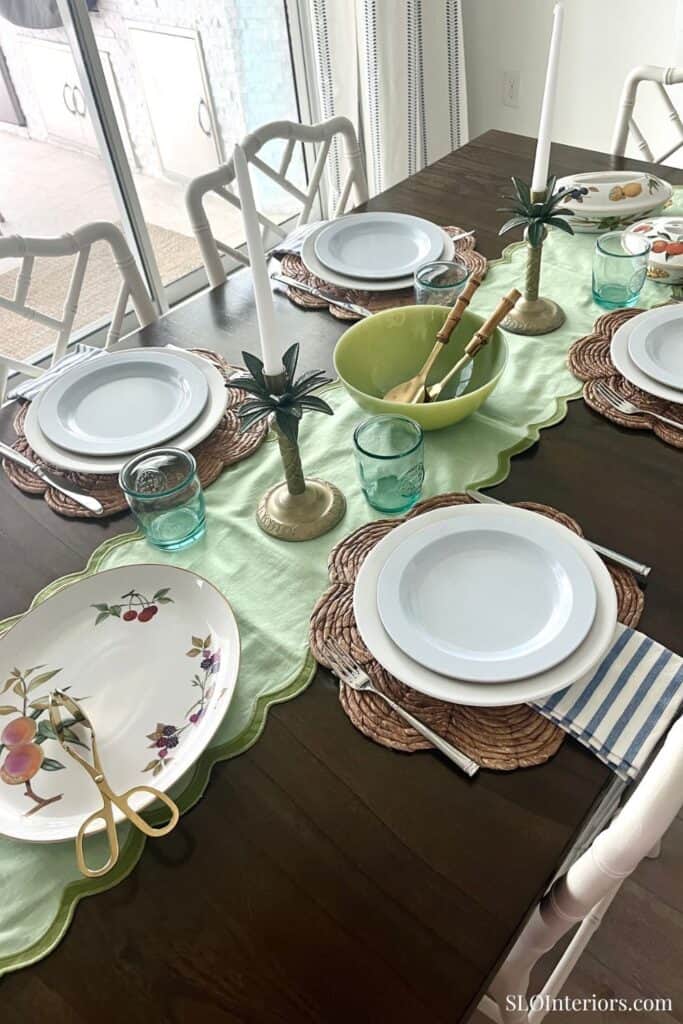
My Simple Casual Table Setting Formula
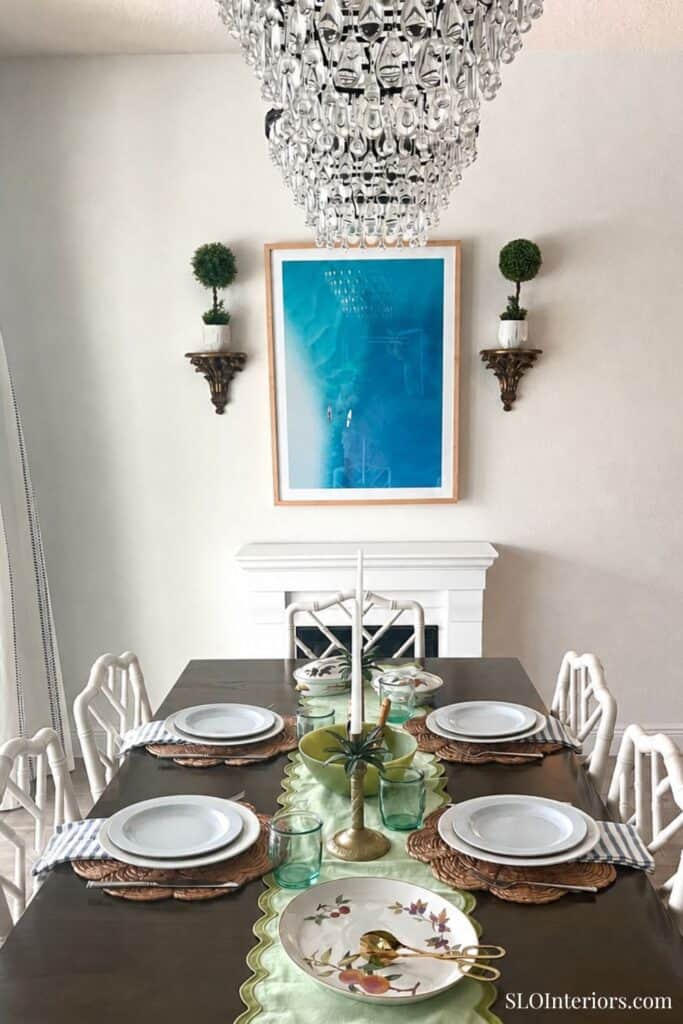
A repeatable formula makes dining table settings easier to plan, whether the design of your place settings leans colorful, coastal, classic, or traditional. Before choosing individual pieces, settle on a color palette and general direction. Those decisions help the runner, dishes, centerpiece, and serving pieces relate without looking overly matched. The finished table should have a clear center, balanced height, and enough open space to remain useful.
Here is what I always start with:
- One or two central items, such as flowers, a bowl, or a seasonal piece
- Candles in tapers, tea lights, or matching holders
- Small ceramics, seasonal fruit, or simple figurines
- A table runner that supports the color palette
- Place settings layered for the meal
Once the main pieces are in place, color and texture do the remaining work. Woven table mats soften the table, clear glasses keep the setting light, and cloth napkins add a small touch of elegance without feeling too special for regular use. A napkin ring is optional, but it gives each setting more definition for a dinner party or weekend brunch. The right mix creates a perfect atmosphere without making the table feel staged.
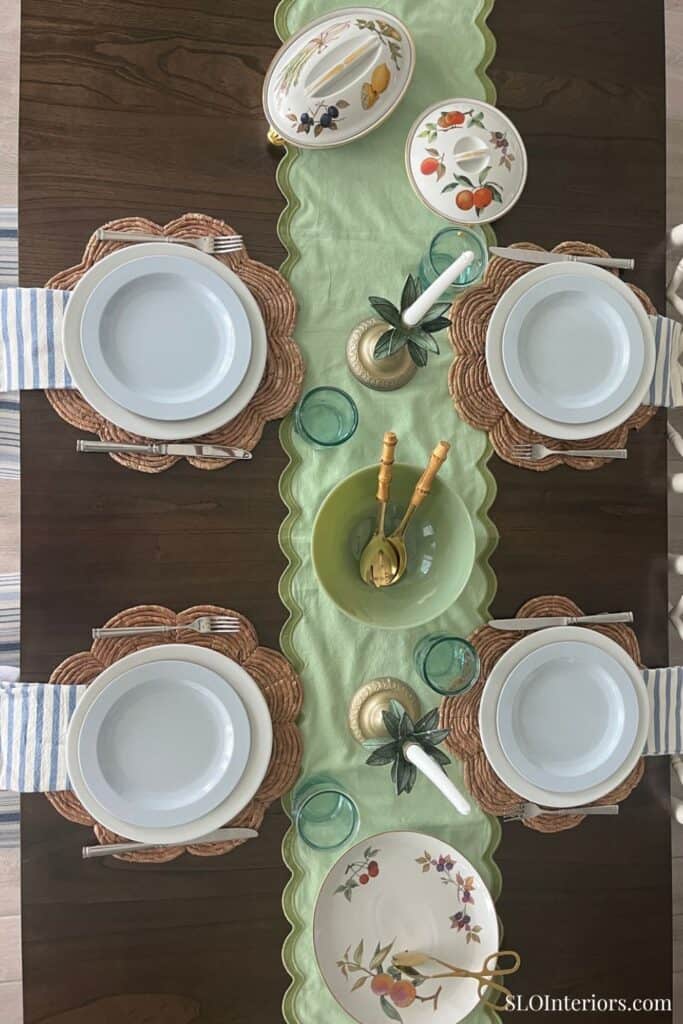
Start With Everyday Dishes, Flatware, and Placemats
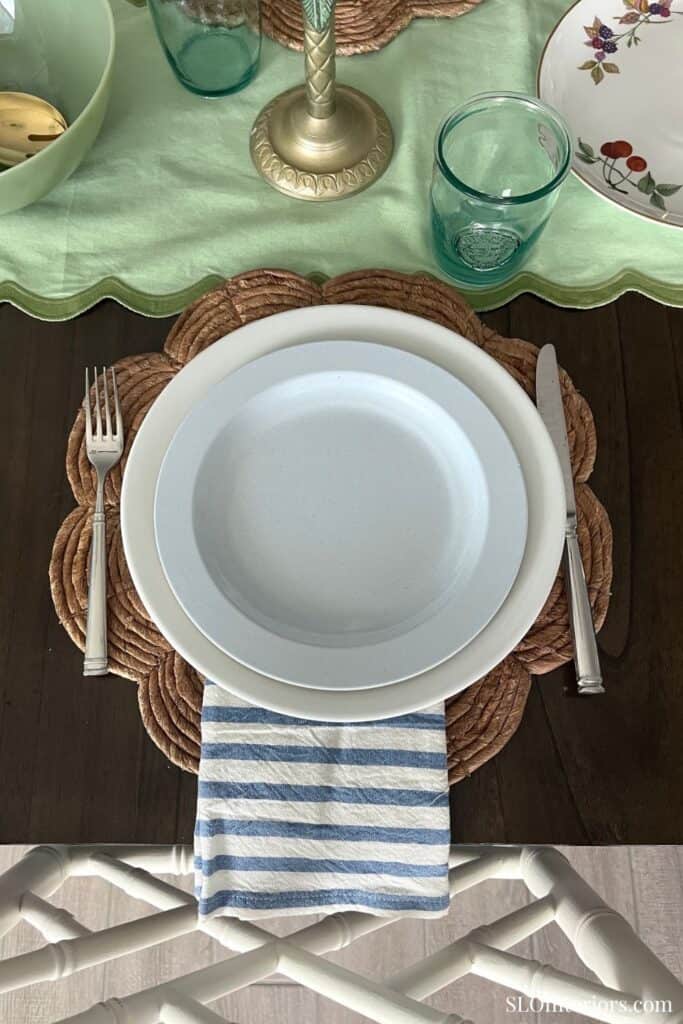
Everyday dishes are the best foundation because they keep the table practical and familiar. Start each place with a placemat, center the dinner plate, and arrange the flatware neatly beside it. The fork goes to the left, while the knife and spoon sit to the right, with the knife blade facing the plate. Place the water glass above the knife, with any additional glass slightly to the right of the water glass.
There is no need to use every piece simply because it belongs to the set. Add a salad plate when the menu includes a separate salad course, and bring out a bread plate only when it serves a purpose. For special occasions, a charger plate can frame the dinner plate and give the arrangement of plates more presence. That single layer often provides enough formality without changing the entire table.
Add a Simple Runner and Centerpiece
A runner gives the table a visual path and connects the place settings to the center. It leaves more of the dining table visible than a full tablecloth, keeping a casual table setting natural. Choose one that works with the dishes and table mats rather than competing with them. The color does not have to match exactly, but it should relate to the rest of the table.
The centerpiece should establish a focal point without crowding food, glasses, or conversation. Flowers, greenery, candles, a bowl, or one seasonal object add shape without requiring a complicated display. For spring, these same ideas can be adapted into a coastal Easter table setting with soft color, natural texture, and a few seasonal details. Keep taller pieces narrow enough that guests can see around them, or use lower objects across the center. Small touches look more confident when they have room around them.
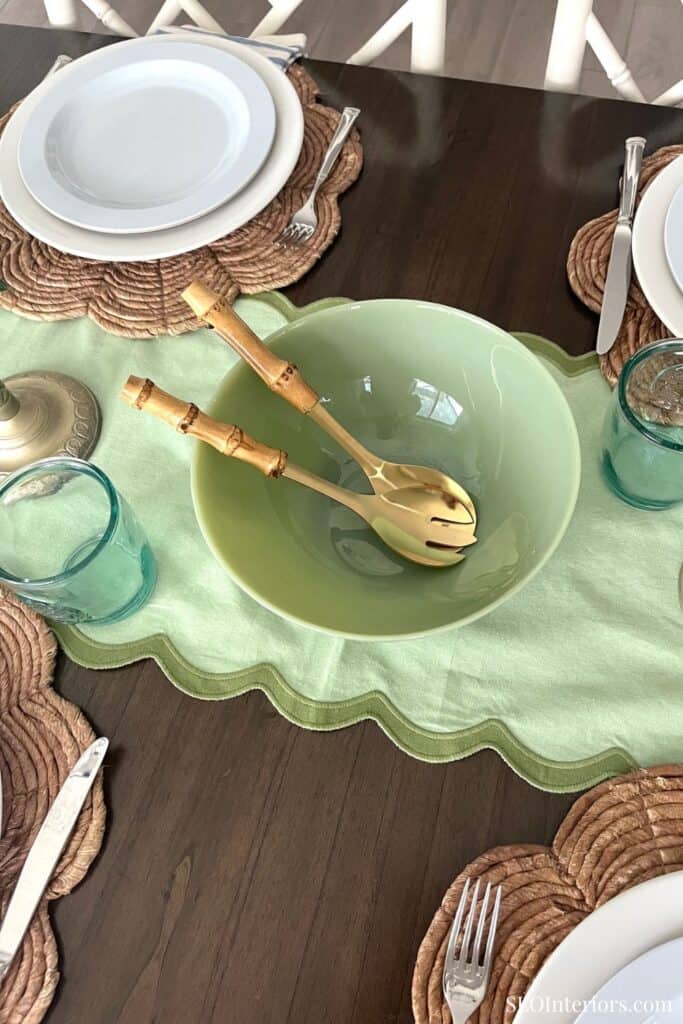
Use Polished Servingware for the Fancy Everyday Piece
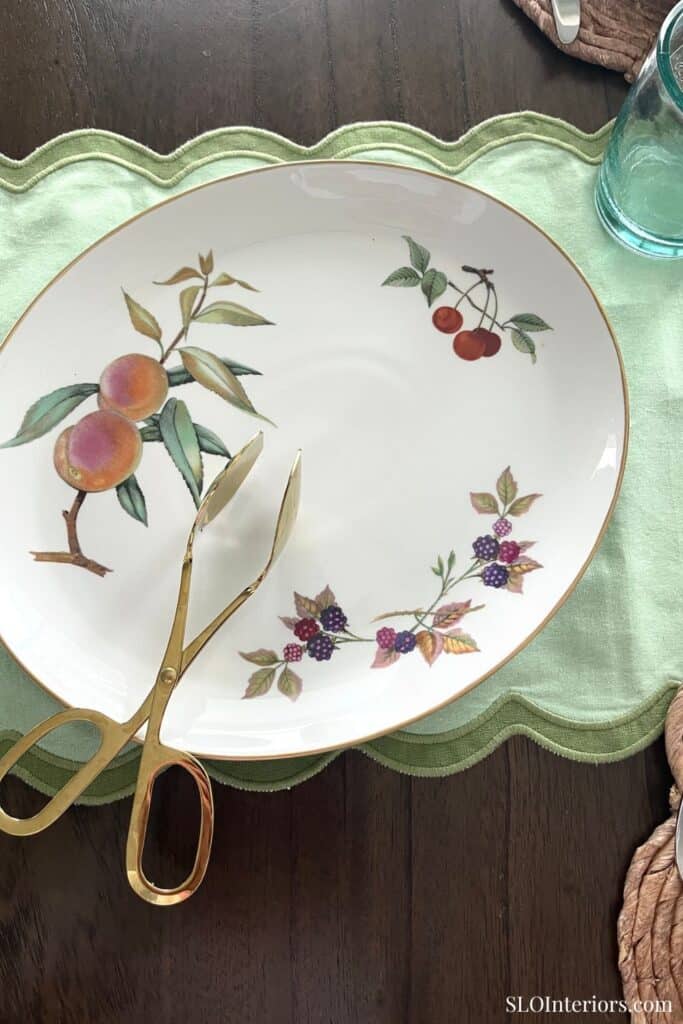
Instead of making every place setting formal, let one piece of servingware bring in the more polished detail. A pretty platter, serving bowl, pitcher, or cake stand gives everyday meals a sense of care without adding another plate or utensil to each seat. This is a great way to use pieces that otherwise stay stored away for special occasions. They make the table feel complete while still supporting the meal.
Serving pieces are easier to change than an entire set of dinnerware. A colorful bowl can make a neutral table feel fresh, while a classic white platter keeps a busier setting calm. For weekend brunches, a cake stand or pitcher adds height without requiring formal pieces at every seat. One well-chosen item is often enough to take an ordinary table to the next level.
Keep the Table Easy to Use
A perfect table should still have room for food, drinks, kids, and the natural movement of dinner. Leave space between the centerpiece and each place setting, and avoid pieces that need to be removed as soon as everyone sits down. A casual setting works best when it looks polished but never makes the meal harder. The table should support conversation rather than ask guests to navigate around the decor.
Think about what will be served before finishing the layout. Family-style dishes need open space in the center, while plated meals allow more room for decorative pieces. Napkins should be easy to reach, glasses should not feel crowded, and serving utensils should have an obvious place. Practical decisions turn a pretty table into a comfortable atmosphere.
A Casual Table Setting for Everyday Meals
A casual tablescape is not about setting a formal table every night. It is about choosing everyday dishes, simple linens, and one or two special pieces that make regular meals feel considered. With a clear basic setting, a restrained centerpiece, and useful servingware, the table gains polish without losing the ease that makes people want to sit down. That balance makes casual table setting ideas useful for everyday meals, dinner parties, and everything in between.